
Primary Health Care
While Pakistan possesses a reasonably extensive primary healthcare infrastructure, the integration of these facilities into the overall health system remains limited. Additionally, a significant number of individuals are hesitant to seek care at primary healthcare centers due to the subpar quality of services. Less than 25% of the nation’s healthcare budget is allocated to primary care, resulting in over 42% of Pakistan’s population not having access to basic healthcare services. MAP extensive and high-quality primary care network across the country is playing a vital role in addressing this crisis.

Our Network
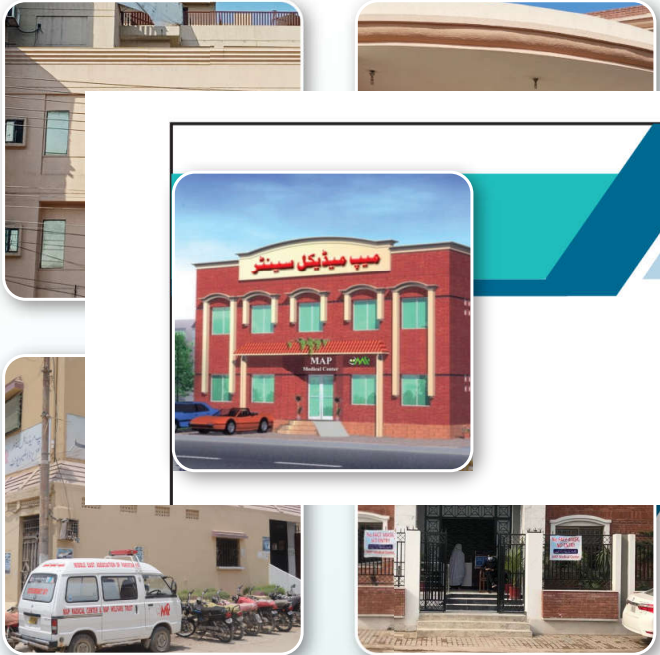
Established in 1998, MAP was formally registered under the rules and regulations of the Government of Pakistan. MAP is a self-financed, non-political, and non-profit association. The executive committee members are Pakistani Professionals, Doctors, Engineers, Businessmen, and Bankers living in the Middle East.
The local organization set up in Pakistan is managed with the help of experienced and professional doctors and administrators. The first medical center was established in Karachi an area where needy people of the city could be cherished. MAP with its executive committee members’ efforts for the noble cause has managed to build six (06) medical centers in Karachi, Lahore, Peshawar, and Gujranwala.
The medical treatment includes consultancy, initial tests, diagnosis, and disbursement of medicine. All this treatment, including medicine, is provided for a nominal cost of Rs. 30/-per patient. Laboratory tests and pathology requirements are out-sourced and all possible efforts are made to provide our patients with high-quality healthcare facilities.
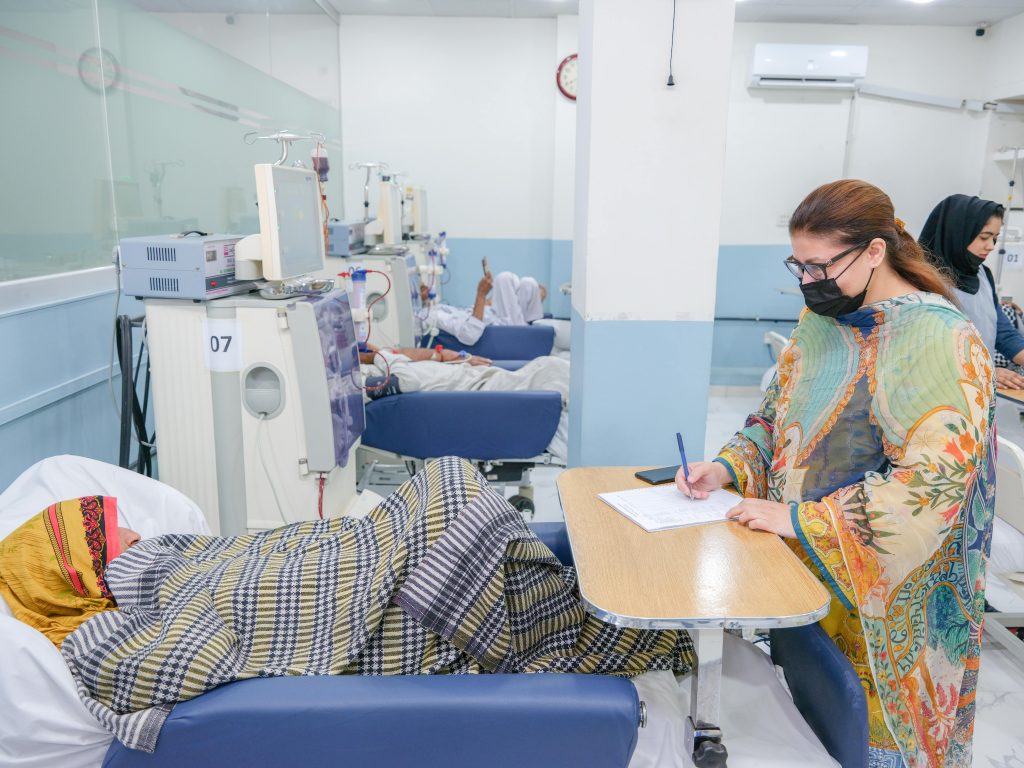
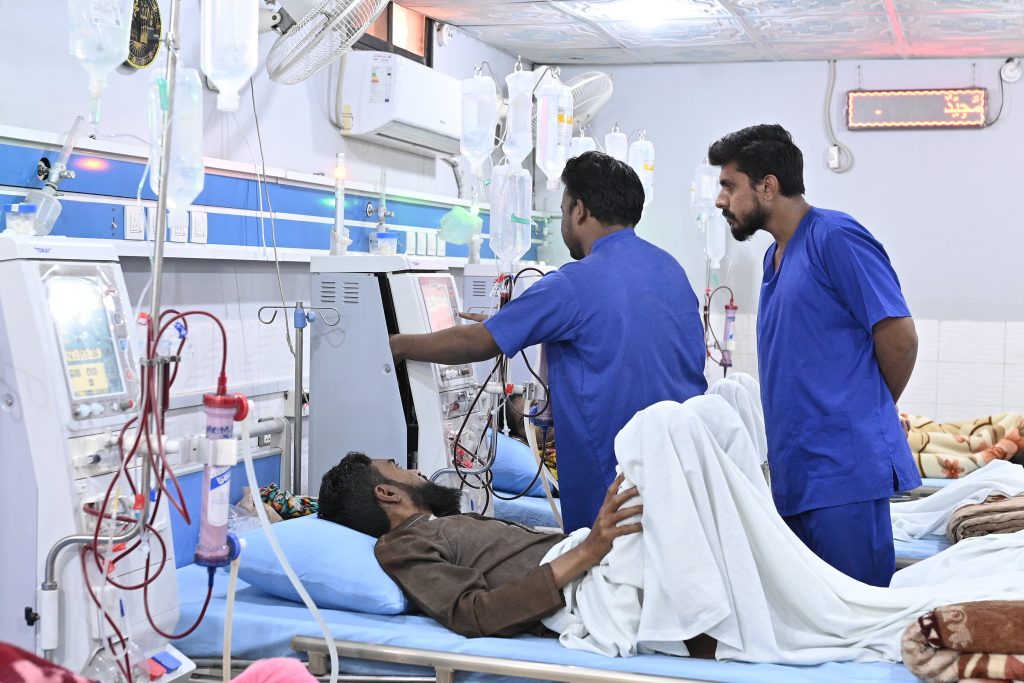
At MAP, we are dedicated to making a significant impact on the lives of those in need by providing free dialysis facilities in the cities of Lahore and Karachi. As a small charity organization, we understand the critical importance of accessible healthcare, especially for individuals facing challenges in obtaining necessary dialysis services. On average, we conduct 350 dialysis sessions every month, ensuring that individuals facing financial constraints can receive the crucial medical care they deserve.
Dialysis Centers
In Pakistan, a mere 0.6% of the total Gross National Product (GNP) is allocated to the health sector. Nephrology, still in its early stages within the overall health sector, receives minimal funding. The insufficient focus on the public health sector has led to the development of private hospitals with modern facilities and the establishment of private medical universities. Unfortunately, these institutions offer expensive treatments and do not alleviate the challenges faced by the common man. As a result, individuals who cannot afford treatment in private hospitals heavily rely on community-based charity organizations.
Malnutrition in Children
Malnutrition commences as moderately acute Malnutrition (MAM) in a child. If MAM is not treated in time then it progresses to the more severe form of severe acute Malnutrition. Across the world, Severe Acute Malnutrition (SAM) is the largest killer of children under five years of age, contributing to nearly half of all childhood deaths. Defined by a very low weight to height ratio, visible severe wasting, or by the presence of nutritional edema, an estimated 20 million children suffer from SAM, and malnutrition contributes to the death of more than 3 million children a year, globally.
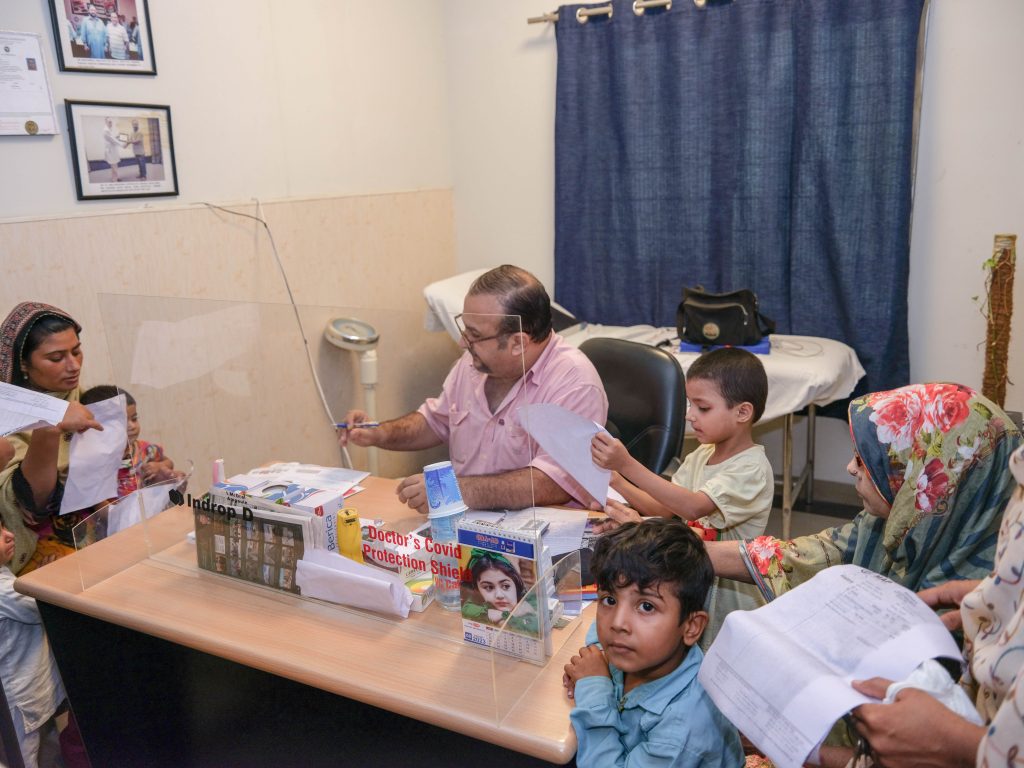
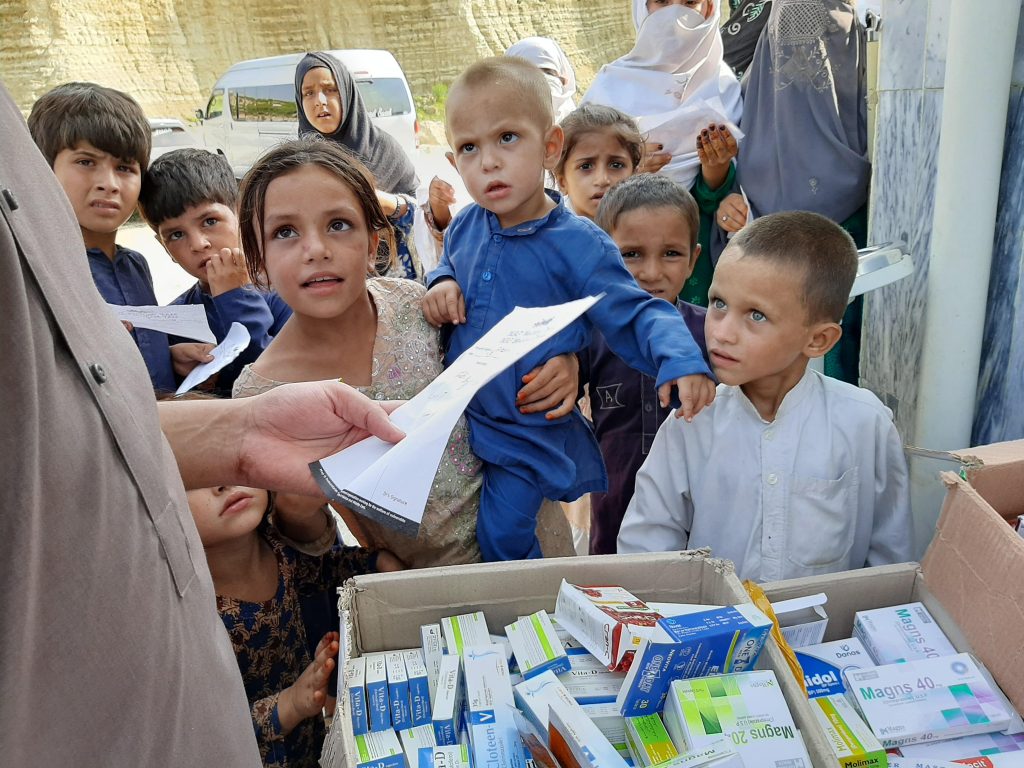
Severe acute malnutrition is hunger and starvation clinically defined as inadequate intake of proteins and nutrients. Without proper treatment, the majority of children who survive live with a great risk to their health, as well as cognitive and physical deformities including stunted brains. They thus become a liability to their family and the country.
MAP has collaborated with the Trust for Malnutrition and Stunted Growth (TMSG) for the distribution of Ready to Use Therapeutic Food (RUTF) to children suffering from moderate to severe malnourishment. RUTF is being distributed at one center each in KP, Punjab, and Sindh.
Deficiencies in Children
Devastating Floods
In the aftermath of the devastating floods that struck Pakistan last year, MAP swiftly responded by establishing medical camps in the Khyber Pakhtunkhwa (KPK) province, providing crucial healthcare services to those in need. Here is a detailed account of our relief efforts:
Noshera Medical Camps
MAP organized a three two-day free medical camp in Noshera and Charsada cities of KPK. During this outreach initiative, our dedicated medical team attended to over 15,000 patients, offering essential medical care and disbursing free medicines to alleviate the health-related challenges brought about by the floods.
Peshawar Medical Camp in Collaboration with Frontier Corps
On the 9th of October, MAP collaborated with the Frontier Corps (FC) to conduct two one-day free medical camp in Peshawar. This joint effort resulted in the treatment of 3800 patients within a single day. Our medical professionals provided comprehensive healthcare services, and once again, free medicines were distributed to address the immediate health needs of the flood-affected communities.
MAP and Local Authorities
MAP’s commitment to providing timely and compassionate healthcare in the wake of natural disasters remains unwavering. These medical camps not only addressed the urgent medical needs of the affected population but also served as a testament to the collaborative spirit between MAP and local authorities in times of crisis.
Our Team

Zafar Ullah Khan

Shamshaad Ali Siddiqi

Raza Ur Rehman

Khalid Mehmood Raja

Dr. Siraj Anwar

Dr. Nargis Mujtaba

Dr. Najma Hadi

Dr. Muhammad Naeem

Dr. Muhammad Khalil

Dr. Muhammad Irshad Bhatti

Dr. Muhammad Amin Ali Nagori

Dr. Meryam Ali

Dr. Mehwish Shakoor

Dr. Faizan Ali

Dr. Ashraf Ali Shah
